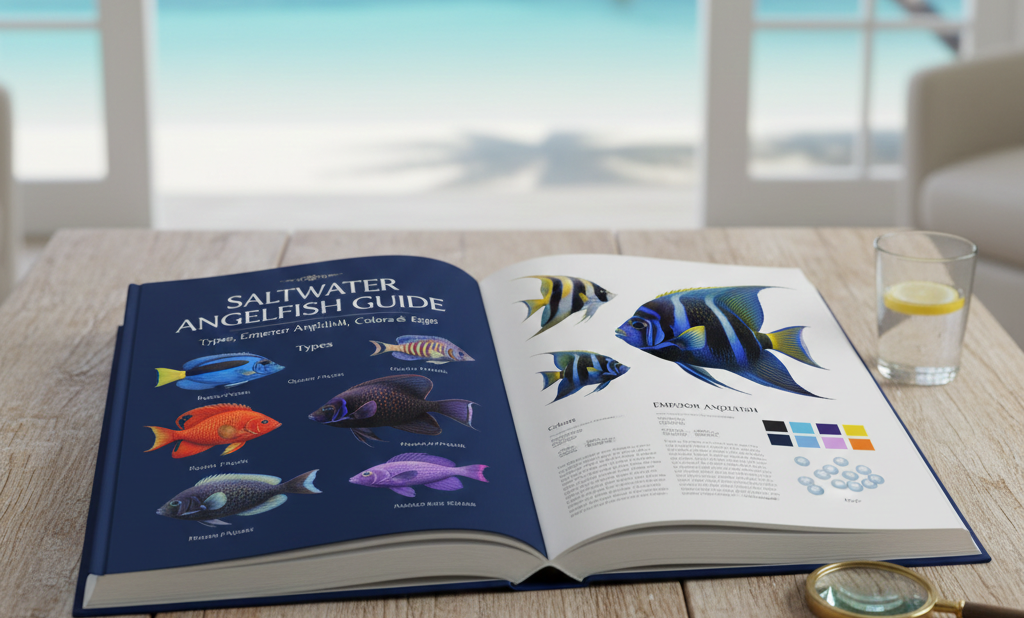
Saltwater Angelfish
TL:DR; Saltwater angelfish are some of the most eye-catching marine fish you can keep in a home aquarium. These fish captivate hobbyists everywhere, from New York to Sydney and Dubai. Their vibrant colors, unique body shapes, and interesting life stages make them truly special. In this guide, I’ll share my marine aquarium experience. I’ll cover the types of saltwater angelfish, their care, and what makes the emperor angelfish special. I’ll also discuss eggs and breeding.
Whether you’re a seasoned reef keeper or just setting up your first marine tank, you’ll get clear, actionable insights here.
What Are Saltwater Angelfish and Why They’re Special?
Saltwater angelfish belong to the Pomacanthidae family. They are famous for their bright colors and elegant swimming. In the wild, these fish inhabit warm tropical reefs, where brilliant hues help them blend with coral and sea fans. In aquariums, they serve as living artworks, adding motion and intense color to any marine display.
These fish range from large centerpiece species to smaller reef companions. Some fish thrive in large tanks just for them. Others, like dwarf varieties, do well in smaller marine setups if planned carefully.
What Types of Saltwater Angelfish Exist?
Broadly, saltwater angelfish are grouped by size and temperament:
1. Large Angelfish (Showstoppers)
These are often the first fish people think of when they imagine saltwater angelfish. They make bold statements in large displays.
Emperor Angelfish (Pomacanthus imperator): Arguably the most iconic saltwater angelfish. Juveniles have white and blue rings. Adults change to horizontal yellow and blue stripes, featuring a dark eye mask. This striking change is what many hobbyists seek for their tanks.
**Queen Angelfish:** This fish has bright blue and yellow colors with a crown-like mark. While not the main focus, it is similar to emperor angelfish in terms of care needs.
French and Blue face Angelfish: These large species offer unique patterns and elegant shapes. They also need plenty of space.
2. Dwarf Saltwater Angelfish
Smaller but still colorful, dwarf angels fit moderately sized marine tanks:
Flame Angelfish
Coral Beauty Angelfish
Lemon peel or Bicolor Angelfish
These fish usually stay under 6 inches but still demand stable saltwater conditions and careful feeding regimes.
My experience: I kept a dwarf flame angelfish in a 75-gallon tank. Even though it was small, the fish grew faster than the corals. I had to change its feeding and rock placement. That’s a subtle reminder that even “small” angelfish can impact tank dynamics.
How Big Do Saltwater Angelfish Get?
Tank size is one of the most critical factors hobbyists underestimate. Large species like the emperor angelfish fish reach up to 15 inches and require huge tanks — ideally 180+ gallons — to swim comfortably.
Smaller types still need space to avoid territorial stress:
Dwarf angelfish: 55–80+ gallons
Medium angelfish: 120+ gallons
Large angelfish: 180+ gallons minimum
Lesson learned: On my first marine setup, trying to keep an emperor angelfish in a 90-gallon tank led to stunted growth and aggression. Upgrading to a larger system vastly improved the fish’s health and behavior.
How to Recognize Emperor Angelfish at Each Life Stage
One of the most fascinating aspects of the emperor angelfish is its color metamorphosis:
Juvenile Stage
Dark body with concentric white and blue circles
Looks entirely different from its adult form
These patterns are reminiscent of the juvenile Koran angelfish
Adult Stage
Horizontal yellow and blue stripes with a distinct black eye mask
Elegant and bold, a top choice for large displays
This change isn’t just for looks. It shows growth, shifts in mood, and sometimes new diet choices.
Saltwater Angelfish Colors and Variations
While emperor angelfish colors are among the most dramatic, saltwater angelfish come in many vibrant forms:
Electric blues and yellows (common in large angels)
Fiery reds and oranges (often seen in dwarfs like flame angels)
Dark bodies with contrasting highlights (e.g., French and blueface angelfish)
In my reef tank years, I’ve noticed that diet quality, lighting, and water stability directly influence how intense these colors appear.
Do Saltwater Angelfish Lay Eggs in Home Aquariums?
Yes — many saltwater angelfish will spawn in captivity, but successful egg hatching is tricky and requires:
Stable water parameters
Plenty of hiding and flat surfaces (rock ledges, slates)
Mature, compatible pairs
Large angelfish like emperors tend to be less prolific in tanks without very large, mature systems. Many hobbyists need a separate breeding tank for eggs to fry. This helps with targeted feeding and lowers the risk of predation.
Diet Tips for Vibrant Saltwater Angelfish
Proper feeding ensures health and coloration:
Omnivore base foods: high-quality marine pellets and flakes
Supplements: mysis shrimp, brine shrimp, marine algae blends
Color enhancers: foods rich in carotenoids and spirulina
Large species like emperor angels often need meaty foods and sponge components to mimic their natural reef diet.
Common Tank Challenges and Lessons Learned
Water Quality: Stable salinity and nutrient levels are essential. Sudden changes can cause stress or disease.
Tank Mates: Larger angels can be territorial — pairing them with robust tank mates (large tangs or wrasses) can reduce bullying.
Reef Safety: Most large angelfish are not reef-safe and can damage corals; dwarf angels may be safer but still can nip.
From my early reef days, the life lesson was clear: start with aquarium goals first (reef vs. fish-only) before choosing angelfish species.
Conclusion: Why Saltwater Angelfish Are Worth It
Saltwater angelfish combine beauty, personality, and complexity in a marine tank. The emperor angelfish — with its dramatic color shift and regal stripes — exemplifies the allure of these species. Whether you’re in Los Angeles or London, these fish transform a tank into a vibrant reef ecosystem centerpiece.
If you’re ready to level up your marine hobby, consider a species that matches your tank size, commitment, and long-term plans. With the right setup, feeding, and care, saltwater angelfish bring years of joy and marine wonder.
FAQ
What is the primary difference between emperor angelfish and other saltwater angelfish? The emperor angelfish changes color as it grows. Juveniles have bands, while adults sport horizontal stripes. They also need bigger tanks and more care than many dwarf species.
Are saltwater angelfish reef safe? Most large saltwater angelfish, like emperor, queen, and French, aren’t reef safe. They often nip at or eat coral and invertebrates.
How large should a tank be for an emperor angelfish? An emperor angelfish needs at least 180+ gallons for a single adult — bigger tanks are better.