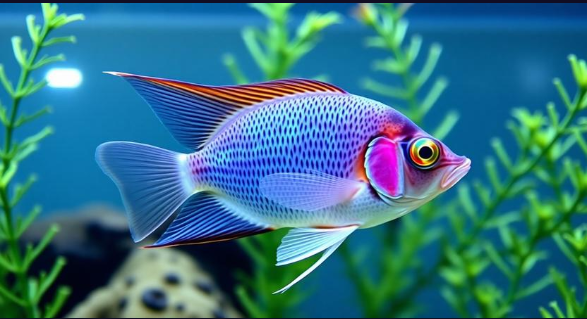
Freshwater Angelfish Care
Freshwater angelfish are one of the most recognizable and loved aquarium fish in the United States—and for good reason. Their tall fins, graceful movement, and curious personalities make them a true centerpiece in home aquariums. But here’s the truth I learned early on: angelfish are easy to keep only if you understand their needs. Without proper care, they quickly become stressed, aggressive, or short-lived.
This guide shows how to care for freshwater angelfish. It uses real experience and proven aquarium practices that work well in home tanks. This guide will help you succeed. It’s great for beginners in California starting their first aquarium. It’s also perfect for experts in Florida, improving a community tank.
Freshwater Angelfish Care: What You Need to Know First
Freshwater angelfish (Pterophyllum scalare) are cichlids. This means they are smart, sometimes territorial, and sensitive to bad water quality.
From my experience maintaining angelfish over many years, success comes down to three things:
- Stable water conditions
- Enough space to grow
- Understanding their behavior
When these are met, angelfish are hardy and surprisingly forgiving.
Different Types of Freshwater Angelfish
Not all angelfish look or behave the same. Knowing the different types of freshwater angelfish helps you plan tank size, tank mates, and long-term care.
Common Freshwater Angelfish Varieties
Some of the most popular types found in US fish stores include:
- Silver angelfish
- Marble angelfish
- Koi angelfish
- Veil angelfish
These varieties need similar care, but they may vary in temperament and fin sensitivity.
Dwarf Angelfish Freshwater: What to Know
The term dwarf angelfish freshwater is often misunderstood. True dwarf angelfish are marine species. However, some freshwater angelfish strains are smaller. This size difference comes from genetics or tank conditions. They still need proper space and care—there’s no truly “Nano-safe” angelfish.
Freshwater Angelfish Care & Aquarium Setup (Step-by-Step)
A proper freshwater angelfish aquarium setup prevents 90% of common problems.
Tank Size Recommendations
- Minimum: 29 gallons for a pair
- Ideal: 55 gallons or more for groups
In the US, 55-gallon tanks are widely available and offer excellent stability.
Water Parameters That Actually Work
Based on widely accepted aquarium standards:
- Temperature: 76–82°F
- pH: 6.5–7.5
- Soft to moderately hard water
Consistency matters more than chasing “perfect” numbers.
Aqua scaping Tips From Experience
I’ve found angelfish thrive when tanks include:
- Vertical plants (Amazon swords, vallisneria)
- Driftwood to break sightlines
- Open swimming space
Tall tanks work better than wide, shallow ones.
Feeding and Daily Freshwater Angelfish Care
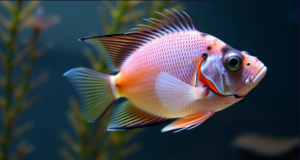
Feeding angelfish isn’t complicated, but variety matters.
What to Feed Angelfish
A balanced diet includes:
- High-quality flakes or pellets
- Frozen foods (bloodworms, brine shrimp)
- Occasional live food (if sourced safely)
Feed small amounts 2–3 times a day. Overfeeding is one of the most common mistakes I see in home aquariums.
Freshwater Angelfish Lifespan: How Long Do They Live?
With proper care, freshwater angelfish lifespan averages 8–10 years, and some live even longer.
What Shortens Angelfish Lifespan
From real-world observation, lifespan is reduced by:
- Poor water quality
- Small tanks
- Chronic stress from aggression
- Inconsistent feeding
Angelfish kept in stable, spacious aquariums almost always live longer than those in cramped setups.
Common Mistakes to Avoid With Freshwater Angelfish
Even experienced hobbyists slip up. Avoid these common issues:
- Keeping angelfish in tanks under 20 gallons
- Mixing aggressive tank mates
- Skipping regular water changes
- Assuming all angelfish behave the same
Industry best practices recommend weekly water changes of 20–30% for long-term health.
Why Freshwater Angelfish Are So Popular in the USA
Angelfish remain popular across the US because they:
- Adapt well to home aquariums
- Are widely available from local fish stores
- Offer beauty without extreme care and difficulty
When cared for properly, they’re one of the most rewarding freshwater fish you can keep.
Frequently Asked Questions (FAQs)
How hard is freshwater angelfish care for beginners?
Caring for freshwater angelfish is easy for beginners. Just keep the tank size and water quality in check.
What are the different types of freshwater angelfish?
Common types include silver, koi, marble, veil, and zebra angelfish.
Is the dwarf angelfish freshwater safe for small tanks?
No. Even smaller freshwater angelfish varieties still require adequate space and stable water conditions.
What is the average freshwater angelfish lifespan?
Most freshwater angelfish live 8–10 years with proper care.
How often should I clean a freshwater angelfish aquarium?
Weekly partial water changes (20–30%) are ideal for maintaining healthy angelfish.
Final Takeaway: Freshwater Angelfish Care Done Right
Freshwater angelfish are not just decorative fish—they’re intelligent, interactive pets. When you know their needs, pick the right tank setup, and care for them consistently, they give you years of beauty and charm.