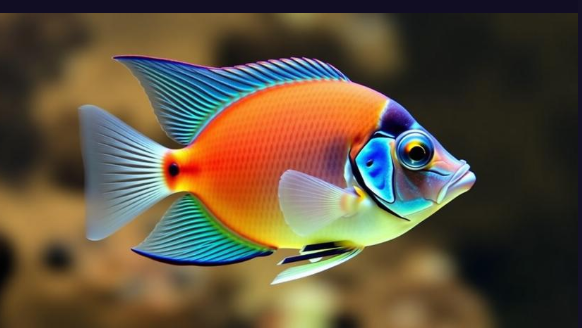
Angelfish Care Tips
Angelfish Care Tips: There are few sights in the aquarium hobby as captivating as a fully grown saltwater angelfish gliding through a reef-style tank. Their flattened, disc-like bodies and vibrant colours instantly make them the centerpiece of any marine setup. Whether you’re a new hobbyist in the U.S. or a seasoned aquarist seeking rare species, understanding angelfish behaviour, needs, and care is essential for long-term success.
Marine angelfish are more than living decorations. They are intelligent, curious, sometimes demanding fish that thrive when their keepers understand how they think and live. In my experience, patience, preparation, and observation are the keys to keeping these remarkable fish healthy and vibrant.
Marine Angelfish Care Tips & Behaviour: What to Expect
One of the first things you’ll notice about angelfish is their confidence and presence in the tank. Unlike shy species that hide behind rocks, a healthy angelfish often grazes along live rock and swims openly in mid-water.
Angelfish belong to the family Pomacanthidae, a group best known for bold patterns and curious personalities.
Territorial Intelligence
Many species are territorial, especially when they reach maturity. This isn’t aggression for its own sake, but an instinct to secure feeding spaces and shelter. In my tanks, larger angelfish like French angelfish instantly establish a preferred swimming route and seem to “know” when it’s feeding time or when the tank lights go on.
This behaviour means you should introduce your angelfish after adding other, more peaceful tank mates. Doing so lets those fish set up their own territories first and reduces initial conflict.
Feeding and Daily Angelfish Care Tips That Matter
Consistency in daily care is the foundation for vibrant, long-lived angelfish.
Feeding Routines
In the wild, angelfish are omnivores that graze throughout the day on sponges, algae, and small invertebrates. In captivity, a varied diet is vital. Don’t rely on simple flakes — they lack the nutrients marine angelfish need.
Best feeding practice:
- Offer quality marine pellets or frozen foods (e.g., Mysis and brine shrimp)
- Include sponge-based or algae-enriched foods for larger species
- Feed 2–3 small portions daily instead of one large meal
Frequent, small feedings mimic natural grazing and reduce waste buildup in the tank.
Water Quality Basics
Stable water quality is non-negotiable for angelfish. Small swings in chemistry stress them faster than many other fish, often showing in colour loss or unusual swimming.
Marine angelfish thrive in these general conditions:
- Temperature: ~75–81°F
- Salinity: 1.023–1.026 specific gravity
- pH: 8.1–8.4
- Ammonia/Nitrite: Zero
- Nitrates: Keep as low as possible (especially for reef setups)
A robust filtration system — often including a protein skimmer and ample live rock — helps maintain these parameters.
Angelfish Colours and What They Reveal
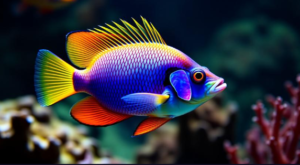
Angelfish colours don’t just make them beautiful — they serve biological functions and offer clues about health.
Common and Rare Colours
Marine angelfish display a stunning range:
- French angelfish: Black bodies with yellow scale edges and accents, which change as they mature.
- Queen angelfish: Electric blues and brilliant yellows that show best in clean, strong lighting.
- Flame angelfish: Fiery orange with vertical black bars.
- Dwarf species: Bright patterns that fit smaller aquariums.
Some species undergo dramatic colours transitions from juvenile to adult. This helps young fish avoid competition or predation by presenting different patterns early in life.
Colours as a Health Indicator
Vibrant colours usually mean healthy fish. Look for:
- Dull or faded patterns: Can signal stress, water issues, or bullying
- Color blotching: May indicate disease or nutritional imbalance
- Loss of color around the face or lateral line: Can be linked to deficiencies or chronic poor water conditions
Watch your fish daily. Catching issues early often leads to rapid improvement with minor adjustments.
Popular Angelfish Species: Traits and Care Tips
Below are some well-known species, from beginner-friendly to more demanding.
Dwarf Angelfish (Centrocyte genus)
Dwarf angelfish, such as the Flame Angel or Coral Beauty, are among the most commonly kept marine angelfish.
- Size: ~3–4 inches
- Tank size: 70 gallons or more recommended
- Behaviour: Feisty, can be territorial with similar species
- Reef safety: Often “reef-safe with caution” — they may nip at corals if not well fed
In my experience, dwarf angelfish add color and activity to most fish-only or reef tanks, but they need hiding spots and a varied diet to reduce aggression.
Koran Angelfish (Pomacanthus semicirculatus)
The Koran angelfish is a striking choice for large fish-only tanks.
- Size: Up to ~15 inches in captivity
- Tank size: ~180+ gallons recommended
- Temperament: Semi-aggressive; best suited for fish-only environments rather than delicate reefs
Their bold juvenile patterns shift to speckled adult colours, a sight that keeps many aquarists enthralled over the years.
French Angelfish
French angelfish (Pomacanthus pare) are classic marine angelfish — large, long-lived, and striking.
- Size: 16–24+ inches possible
- Diet: Omnivorous with a preference for sponges and algae
- Reef safety: Not considered reef safe due to coral and sponge nibbling
In my reef-only tanks, large species like French angelfish perform best when given open swimming space and robust territories. They often recognize feeding routines and seem to “learn” patterns of their keepers — a behaviour many aquarists cherish.
Common Angelfish Mistakes and How to Avoid Them
Even experienced keepers can slip up. Here are frequent pitfalls:
Cycling Too Soon
Adding angelfish before your tank is fully cycled (ideally 3–6 months of stable operation) exposes them to ammonia and nitrite spikes. These fish show stress quickly, and early introduction often leads to avoidable losses.
Diet Monotony
A diet limited to one type of food — especially low-nutrient items like simple brine shrimp — weakens immunity. A varied diet keeps colour vibrant and behaviour active.
Wrong Tank Planning
Always buy fish for the tank you have, not the tank you plan to get later. A juvenile Koran or French angelfish in a small tank leads to stunted growth and chronic stress. Always cross-check adult size and temperament before purchasing or introducing new fish.
Conclusion
Marine angelfish are among the most fascinating fish you can keep. Whether you choose colourful dwarf species or large giants like French and Koran angelfish, success comes from understanding their behaviour, providing stable water conditions, and offering a varied diet.
With careful planning, respect for their needs, and observation of their cues, your angelfish can thrive and become lifelong companions in your U.S. marine aquarium.
Frequently Asked Questions
What are the top angelfish care tips for beginners?
Start with a fully cycled, established tank and choose hardy species like dwarf angelfish. Keep water stable, feed varied foods, and add angelfish after peaceful species.
Can marine angelfish recognize their owners?
Many aquarists observe that larger angelfish seem to remember feeding times and track people near the tank — a sign of learned behaviour and visual memory.
Are all angelfish reef-safe?
No. Larger species like French and Koran angelfish are generally not reef safe, as they may nip at corals or sponges. Smaller dwarf species are “reef-safe with caution.”
Why do angelfish change color as they grow?
Color change from juvenile to adult helps reduce competition and predation in the wild. Many species show striking transitions as they mature.
How often should I feed my angelfish?
Small, frequent feedings (2–3 times daily) of varied marine foods better replicate natural grazing and support digestive health.