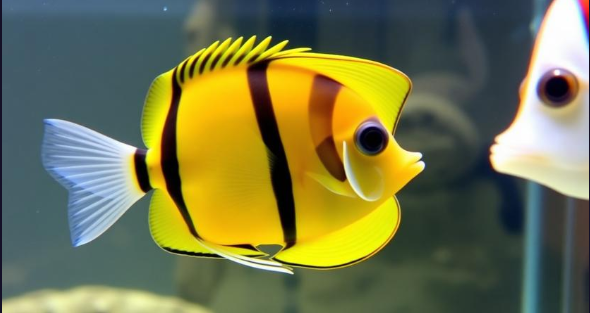
Saltwater Fish Angelfish
Saltwater fish, angelfish, are among the most stunning and intelligent marine aquarium species. Their bright colors, unique shapes, and lively personalities make them stand out in reef and marine tanks around the world.
In this guide, I’ll cover what you need to know. We’ll look at angelfish size, breeding behavior, and how to tell males from females. Plus, I’ll shine a light on the Lemonpeel Angelfish. I’ve worked with marine tanks for years, and angelfish are both rewarding and challenging if you don’t understand their needs properly.
Let’s dive in.
What Is a Saltwater Fish Angelfish?
Saltwater angelfish belong to the family Pomacanthidae. They are completely different from freshwater angelfish (Pterophyllum species).
Marine angelfish are typically found in coral reefs across:
- The Indo-Pacific region
- The Caribbean Sea
- The Red Sea
They are known for:
- Compressed, disc-shaped bodies
- Bold vertical stripes or bright coloration
- Territorial but intelligent behavior
Some species stay small and reef-safe (with caution), while others grow large and require spacious tanks.
Angelfish Size: How Big Do They Get?
One of the biggest mistakes new hobbyists make is underestimating angelfish size.
Here’s a general size breakdown:
Small (Dwarf) Angelfish
- 3–4 inches
- Suitable for 30–55 gallon tanks
- Example: Lemonpeel Angelfish
Medium Angelfish
- 6–8 inches
- Require 75–125 gallon tanks
Large Angelfish
- 12–15+ inches
- Need 180+ gallon aquariums
- Example: Emperor Angelfish
Key Experience Tip:
In my experience, angelfish grow faster than expected if water quality and diet are excellent. Always plan for adult size — not juvenile size.
Male Angelfish vs Female: How to Tell the Difference
Many aquarists ask: How do you identify a male angelfish?
The truth is — it depends on the species.
1️⃣ Dwarf Angelfish (Genus Centropyge)
These are protogynous hermaphrodites.
That means:
- All start as females.
- The dominant female turns into a male.
Signs of a male:
- Slightly larger body
- More intense coloration
- More aggressive behavior
- Leading during courtship
2️⃣ Larger Angelfish Species
Sex differences are usually subtle. Sometimes, they are hard to see without watching breeding behavior.
Experience Insight: For a breeding pair, introduce a larger and a smaller individual. Let natural hierarchy decide their roles.
Breeding of Angelfish (Saltwater Fish Angelfish)
Breeding saltwater angelfish in captivity is challenging — especially compared to freshwater species.
Why It’s Difficult:
- They spawn in open water (pelagic spawning).
- Eggs float and require specialized larval rearing.
- Fry need microscopic live foods (rotifers).
Breeding Process Overview:
- Courtship occurs at dusk.
- Males and females rise together in the water column.
- Eggs and sperm are released simultaneously.
- Fertilized eggs drift with currents.
Tank Requirements for Breeding:
- Large, stable tank (100+ gallons for dwarfs)
- Excellent water quality
- High-protein marine diet
- Low stress environment
Important: Even experienced marine breeders struggle with larval survival rates. This is not a beginner project.
Lemonpeel Angelfish (Centropyge flavissima)
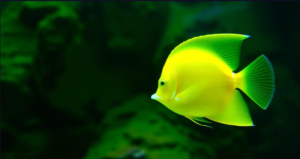
The Lemonpeel Angelfish is one of the most popular dwarf saltwater angelfish.
Quick Facts:
- Scientific name: Centropyge flavissima
- Size: 4–5 inches
- Minimum tank size: 55 gallons
- Temperament: Semi-aggressive
- Reef safe: With caution
Appearance:
- Bright yellow body
- An electric blue ring around the eye
- Blue edging on fins
Care Requirements:
✔️ Stable salinity (1.023–1.025)
✔️ Temperature: 72–78°F
✔️ Plenty of live rock
✔️ Algae-based diet
In my experience, Lemonpeel angelfish need established tanks with natural algae growth. In newer tanks, they may become stressed or nip corals.
Diet & Feeding Requirements For Saltwater Fish Angelfish
Saltwater angelfish are omnivores.
A balanced diet should include:
- Marine algae sheets
- Spirulina-based foods
- Mysis shrimp
- High-quality angelfish pellets
- Sponge-based preparations (especially for large species)
Feeding Tip: Feed small amounts 2–3 times daily rather than one large feeding. It reduces aggression and improves coloration.
Tank Setup for Saltwater Fish Angelfish
Essential Setup Checklist:
- Live rock for grazing
- Provides effective biological filtration
- Includes a protein skimmer
- Requires moderate to strong water flow
- Offers hiding caves and spaces
Angelfish are territorial. Rock structures help reduce aggression by breaking the line of sight.
Common Problems & Mistakes About Saltwater Fish Angelfish
1️⃣ Undersized Tank
Leads to stress, aggression, and stunted growth.
2️⃣ Poor Diet
Causes faded colors and immune weakness.
3️⃣ Mixing Aggressive Species
Angelfish can bully or be bullied, depending on tank mates.
4️⃣ Reef Compatibility Issues
Some angelfish nip:
- LPS corals
- Zoanthids
- Clams
Always research species-specific behavior.
Are Saltwater Fish Angelfish Beginner-Friendly?
It depends.
Beginner-Friendly:
- Coral Beauty
- Lemonpeel (with established tank)
Not Beginner-Friendly:
- Emperor Angelfish
- Queen Angelfish
If you’re new to marine tanks, start with a hardy dwarf species and a mature system.
Final Thoughts
Angelfish are stunning additions to saltwater tanks. However, they need careful planning, enough space, and proper care.
Understanding:
- Adult angelfish size
- Male vs female behavior
- Breeding complexity
- Species-specific care, like Lemonpeel angelfish
Frequently Asked Questions (FAQs)
1. How big do saltwater angelfish get?
Saltwater angelfish size depends on the species. Dwarf angelfish typically grow to 3–5 inches, medium species reach 6–8 inches, and large angelfish like Emperor varieties can grow up to 15 inches. Always plan your tank size based on the fish’s adult size, not its juvenile size.
2. How can you tell a male angelfish from a female?
In many dwarf angelfish species, all individuals start as females, and the dominant one turns male. Males are usually slightly larger, more colorful, and more aggressive. In larger species, it’s often hard to tell males from females just by looking. You usually need to see their breeding behavior.
3. Can saltwater angelfish live in reef tanks?
Some dwarf angelfish can live in reef tanks with caution, but many species may nip at corals, clams, or soft polyps. It depends on the individual fish and the species. Always research reef compatibility before adding one to a coral system.
4. Is breeding saltwater angelfish difficult?
Yes, breeding saltwater angelfish is challenging. They are pelagic spawners, releasing eggs into open water. Raising the larvae requires specialized setups and live microscopic foods like rotifers. It is generally recommended for advanced marine aquarists.
5. What do saltwater angelfish eat?
Saltwater angelfish are omnivores.
Their diet should include:
- Marine algae
- Spirulina-based foods
- Mysis shrimp
- High-quality pellets
- Sponge-based preparations (especially for larger species)
Feeding small amounts 2–3 times daily helps maintain health and vibrant coloration.