Fish Tank Mates
Choosing the right fish tank mates is the difference between a peaceful underwater ecosystem and a glass box of chaos. I’ve seen both. One looks like a serene aquatic documentary. The other looks like a tiny, expensive boxing match.
Compatibility isn’t about color matching or what looks cool at the store. It’s about temperament, adult size, territory, and tank conditions. If you ignore those factors, your fish will remind you aggressively.
Let’s break this down the right way.
Why Choosing the Right Fish Tank Mates Matters
Fish don’t “work it out.” They don’t attend therapy. If they’re incompatible, they stress, hide, nip fins, or kill.
Key Factors That Determine Compatibility
Temperament (peaceful vs aggressive)
Adult size
Tank size
Water parameters
Swimming level (top, middle, bottom)
A peaceful 1-inch fish is not a friend to a territorial 8-inch cichlid. It’s lunch.
Quick Fish Tank Mates Compatibility Chart
Peaceful Community Fish
Kuhli loach
Cherry shrimp
Small tetras
Corydoras
Semi-Aggressive Fish
Betta
Blue ram cichlid
Blue acara
Aggressive Fish
Jack Dempsey cichlid
Large cichlids
Red devil cichlids
Rule of thumb: Never mix peaceful species with aggressive predators unless your goal is regret.
Betta Tank Mates (10 Gallon Setup Guide)
A 10 gallon tank limits your options. A betta already believes he owns the tank. Adding roommates must be strategic.
Safe Betta Tank Mates for 10 Gallons
Nerite snails
Mystery snails
Shrimp (with hiding spaces)
Small bottom dwellers (in well-planted setups)
Avoid in 10 Gallons
Other male bettas
Fin-nipping tetras
Guppies with long fins
Active schooling fish needing space
From experience: Heavily planted tanks dramatically reduce aggression. Line-of-sight breaks matter more than people realize.
Kuhli Loach Tank Mates
Kuhli loaches are shy, nocturnal bottom dwellers. They want peace, sand substrate, and caves.
Ideal Tank Mates
Small rasboras
Peaceful tetras
Dwarf gouramis
Corydoras
Avoid
Large cichlids
Aggressive barbs
Predatory fish
They’re fragile and stress easily. Always keep them in groups of 5 or more. Alone, they hide constantly.
Blue Ram Cichlid Tank Mates
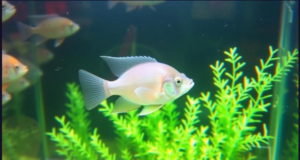
Blue ram cichlids are semi-aggressive but sensitive. They demand stable water parameters.
Best Tank Mates
Cardinal tetras
Rummynose tetras
Corydoras
Peaceful dwarf cichlids
Avoid
Aggressive cichlids
Fast, fin-nipping species
Large territorial fish
They thrive in warm water around 82–86°F. Not every community fish tolerates that heat. Always check temperature compatibility.
Blue Acara Tank Mates
Blue acaras are larger and more confident than rams. They’re semi-aggressive but manageable in proper tanks.
Good Tank Mates
Larger tetras
Silver dollars
Peaceful cichlids
Bristlenose plecos
Important Note
Minimum 55 gallons recommended. Smaller tanks increase aggression dramatically.
When space increases, aggression decreases. That’s true for fish and humans.
Cherry Shrimp Tank Mates
Cherry shrimp are peaceful and defenseless. Assume anything that fits them in its mouth will try.
Shrimp-Safe Fish
Small rasboras
Otocinclus
Small peaceful tetras
Snails
Fish to Avoid
Bettas (some tolerate, many don’t)
Cichlids
Barbs
Gouramis
Dense moss, driftwood, and hiding areas are essential. Without cover, shrimp become snacks.
Jack Dempsey Cichlid Tank Mates
Jack Dempsey cichlids are not community fish. They are territorial, powerful, and unapologetic.
Tank Requirements
Minimum 75 gallons
Heavy filtration
Strong decor structures
Compatible Tank Mates
Oscar cichlids
Green terror
Large plecos
Other similarly sized aggressive cichlids
Never mix with small or peaceful fish. That’s not compatibility. That’s feeding strategy.
Common Tank Mate Mistakes
1. Ignoring Adult Size
That cute 2-inch fish might hit 10 inches.
2. Overstocking
More fish equals more waste and more territorial conflict.
3. Mixing Aggression Levels
Peaceful + aggressive rarely ends peacefully.
4. Not Researching Water Parameters
Temperature and pH mismatches cause chronic stress.
Final Thoughts: Building the Right Fish Tank Mates Community
Creating the right fish tank mates setup is part science, part patience. Every species has personality. Every tank has hierarchy.
If you:
Plan for adult size
Match temperament levels
Provide proper space
Maintain stable water quality
…your tank becomes balanced instead of chaotic.
Start slow. Research before buying. And never trust the store label alone.
A well-planned community tank is peaceful, dynamic, and rewarding. A poorly planned one is an expensive lesson.
Choose wisely. Your fish don’t get a second chance at roommates.
Frequently Asked Questions (FAQs)
1. How do I know if two fish are compatible in the same tank?
Fish compatibility depends on several factors. These include tank size, temperament, water conditions, adult size, and swimming level. Mixing peaceful species that need similar water and swim in different zones is usually safer. Always research each species before adding it to a community aquarium.
2. Can I mix aggressive and peaceful fish together?
Mixing aggressive and peaceful fish is risky and usually not recommended. Aggressive fish may chase, nip, or stress peaceful species, leading to illness or death. In larger tanks, some semi-aggressive species can live together with planning. However, beginners should steer clear of this mix.
3. What are the best tank mates for a 10-gallon aquarium?
In a 10-gallon tank, stocking options are limited. Suitable tank mates include small rasboras, ember tetras, nerite snails, and certain shrimp species. Avoid large or territorial fish, as smaller tanks increase stress and aggression.
4. How many fish can I safely keep in one tank?
A general guideline is one inch of fish per gallon, but this rule is not always accurate. Filtration capacity, fish body mass, aggression level, and swimming space matter more. Always consider the adult size and behavior of each species before stocking.
5. Why are my fish chasing each other in a community tank?
If aggression is constant and causing stress or injury, you may need to separate the fish or adjust the tank setup.
6. Are shrimp safe with community fish?
Shrimp like cherry shrimp can live with small, peaceful fish, but they are often eaten by larger or aggressive species. Providing dense plants and hiding spaces improves survival rates.