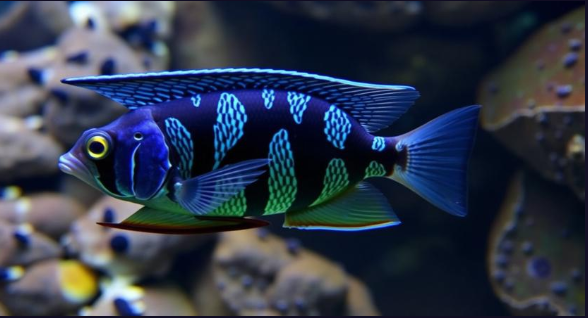
Angelfish Food
Properly feeding angelfish is key to their bright color, healthy growth, and long-term well-being. Nutrition directly affects the lifespan and disease resistance of your fish. This applies to both freshwater types, like Midnight and Marble angelfish, and marine ones, such as King and Passer angelfish.
Aquarium issues often start with improper feeding. This can mean overfeeding, underfeeding, or giving the wrong kind of food. This guide explains exactly what angelfish eat and how to feed different species correctly.
Understanding Angelfish Dietary Needs
Angelfish are not all the same. Freshwater angelfish (Pterophyllum species) are quite different from saltwater angelfish (Pomacanthidae family). They vary in diet and natural habitat.
Understanding these differences is essential before choosing food.
Freshwater vs Saltwater Angelfish Diet Differences
Freshwater angelfish, including Midnight and Marble varieties, are omnivores. In the wild, they consume:
Small insects
Worms
Crustaceans
Plant matter
Saltwater angelfish such as King, Passer, and Pygmy species often consume:
Marine algae
Sponges
Tunicates
Small invertebrates
This means marine angelfish often require more specialized diets compared to freshwater varieties.
Omnivore, Herbivore, or Carnivore?
Most angelfish are omnivores, but their protein-to-plant ratio differs.
Freshwater angelfish → Higher protein requirement
Large marine angelfish → Mixed diet with sponge-based foods
Pygmy angelfish → Heavy algae component
Matching food type to natural diet reduces stress and improves coloration.
Best Food for Freshwater Angelfish
Freshwater angelfish are relatively easy to feed compared to marine species.
High-quality staples include:
Protein-rich pellets
Frozen bloodworms
Brine shrimp
Daphnia
Spirulina flakes
Avoid low-quality fillers such as wheat-heavy flakes.
Midnight Angelfish Food
Midnight angelfish are a dark-colored freshwater variety. To maintain their deep coloration:
Use high-protein pellets
Supplement with frozen foods 2–3 times per week
Include color-enhancing foods with carotenoids
Feed twice daily in small portions.
Marble Angelfish Food
Marble angelfish require a balanced omnivorous diet.
Best options:
Cichlid micro pellets
Frozen brine shrimp
Occasional vegetable-based flakes
Since Marble angelfish eat slowly, don’t keep them with aggressive feeders.
Feeding Schedule & Portion Control
Overfeeding is the most common mistake.
Best practice:
Feed 2 small meals per day
Only what they can consume in 2–3 minutes
Remove uneaten food
A fasting day once per week can improve digestion.
Best Saltwater Angelfish Food
Marine angelfish require more specialized nutrition.
High-quality marine formulas should include:
Marine algae
Sponge-based ingredients
Mysis shrimp
Enriched brine shrimp
Nori sheets
Marine angelfish are more prone to nutritional deficiencies if fed improper food.
Passer Angelfish Food
The Passer angelfish is a large, aggressive marine species.
Diet requirements:
Meaty foods (mysis, krill)
Sponge-based frozen preparations
Marine pellets
Algae sheets
Feed 2–3 times daily in moderate portions.
King Angelfish Food
King angelfish require a varied diet to maintain vibrant coloration.
Include:
High-quality marine angelfish pellets
Frozen sponge formulas
Chopped seafood
Marine algae
Variety is key to preventing long-term deficiencies.
Pygmy Angelfish Food
Pygmy angelfish graze constantly in nature.
Best feeding approach:
Small meals multiple times daily
High algae content
Spirulina flakes
Nori
Because of their size, they require smaller pellet sizes.
How Lighting Affects Angelfish Feeding Behavior
Lighting plays a subtle but important role in feeding behavior.
Angelfish are visual feeders. Proper lighting:
Stimulates natural feeding response
Enhances color recognition of food
Maintains circadian rhythm
Choosing the Right Angelfish Light
For freshwater angelfish:
Moderate LED lighting
8–10 hours daily
For saltwater angelfish:
Marine spectrum lighting
Balanced PAR levels
Too much light can stress fish; too little reduces appetite.
Day/Night Feeding Patterns
Never feed angelfish in total darkness.
Best schedule:
First meal shortly after lights turn on
Second meal mid-cycle
Avoid feeding right before lights off.
Common Feeding Mistakes to Avoid
Feeding only flakes
Ignoring species-specific needs
Overfeeding large marine species
Skipping algae in marine diets
Not varying food sources
Balanced variety is the secret to strong immunity.
Final Feeding Strategy for Healthy Angelfish
A successful angelfish feeding routine includes:
High-quality staple pellets
Weekly frozen food supplementation
Algae integration for marine species
Controlled portion sizes
Proper lighting schedule
When nutrition is correct, angelfish show:
Vibrant coloration
Strong fin development
Steady growth
Active swimming behavior
Healthy angelfish are a direct reflection of consistent, species-appropriate feeding.
Frequently Asked Questions (FAQs)
1. What is the best food for angelfish?
The best angelfish food depends on the species. Freshwater angelfish, like the midnight and marble types, thrive on high-protein pellets. They also enjoy frozen bloodworms and brine shrimp. Saltwater angelfish, like king, passer, and pygmy species, need marine foods. These foods should include algae and sponge ingredients.
2. How often should I feed angelfish?
Angelfish should be fed 1–2 small meals per day. Offer only what they can eat within 2–3 minutes to prevent overfeeding and water quality issues. Marine angelfish may benefit from smaller, more frequent meals due to their natural grazing behavior.
3. Do pygmy angelfish need algae in their diet?
Yes. Pygmy angelfish naturally graze on algae in the wild. Their diet should have spirulina flakes, nori sheets, and veggie-based marine pellets. These foods help with digestion and improve coloration.
4. Can I feed the same food to freshwater and saltwater angelfish?
No. Freshwater angelfish need a diet rich in protein and can eat a mix of foods. Saltwater angelfish, on the other hand, require special marine formulas that include sponge and algae. Using the wrong food long-term can lead to nutritional deficiencies.
5. Does lighting affect angelfish feeding behavior?
Yes. Angelfish are visual feeders, so proper lighting encourages healthy feeding habits. Moderate LED lighting for 8–10 hours daily helps stimulate appetite and maintain a natural day/night rhythm.