Types of Freshwater Angelfish
Freshwater angelfish are among the most popular and elegant aquarium fish in the hobby. Their tall fins and graceful swimming make them a standout species in many freshwater aquariums. They come in a wide range of colors, adding to their appeal.
But not all freshwater angelfish are the same.
In this complete guide, you’ll learn:
The most popular types of freshwater angelfish
Ideal freshwater angelfish tank setup
Compatible tank mates
What to know before buying angelfish for sale
This guide is for everyone. Whether you’re just starting or creating a specialized freshwater aquarium, it will help you make smart choices.
Understanding Freshwater Aquarium Angelfish
Freshwater angelfish come from the Amazon River basin in South America. They belong to the genus Pterophyllum. These species, unlike saltwater angelfish, prefer warm, slightly acidic freshwater. They thrive in areas with plants and driftwood.
They are semi-aggressive cichlids, not community fish in the strict sense. While generally peaceful, they can become territorial—especially during breeding.
Adult Size:
6 inches long
Up to 8 inches tall (including fins)
Lifespan:
8–12 years with proper care
Understanding the right tank setup and compatible species is key. Their size and temperament make it crucial.
Popular Types of Freshwater Angelfish
There are dozens of color and pattern variations created through selective breeding. Below are the most recognized and sought-after types.
1. Silver Angelfish
The classic wild-type appearance.
Features:
Silver body
Black vertical stripes
Hardy and beginner-friendly
This variety closely resembles wild angelfish found in the Amazon.
2. Marble Angelfish
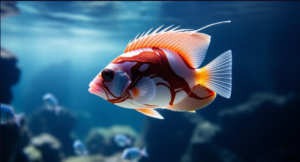
Marble angelfish display beautiful black, white, and sometimes gold marbling patterns.
Characteristics:
Unique pattern on each fish
Hardy and adaptable
Excellent centerpiece fish
They are one of the most popular freshwater angelfish varieties available in stores.
3. Veil Angelfish
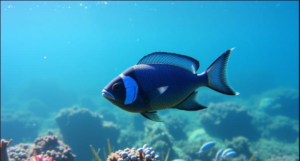
Known for elongated, flowing fins.
Important note:
More sensitive to fin nippers
Require peaceful tank mates
They are stunning but need careful compatibility planning.
4. Koi Angelfish
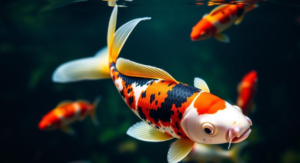
Bright orange, white, and black coloration resembling koi carp.
Best suited for:
Well-lit planted tanks
Stable water conditions
Rare Freshwater Angelfish Varieties
Rare freshwater angelfish are often selectively bred and may be more expensive.
Some examples include:
Platinum Angelfish (solid metallic white)
Ghost Angelfish (minimal striping, smoky tone)
Black Lace Angelfish (deep black body with lace pattern)
Albino Angelfish (red eyes, pale body)
Rare varieties may require more stable conditions and careful breeding management.
If you’re looking for angelfish freshwater for sale, rare types usually cost more. You might find them only with specialty breeders.
Freshwater Angelfish Tank Setup
Proper tank setup is essential for healthy growth and reduced aggression.
Tank Size
Minimum:
20 gallons for a single angelfish
Recommended:
29–40 gallons for a pair
55+ gallons for a community setup
Because angelfish are tall fish, vertical tank height matters more than length alone.
Water Parameters
Ideal conditions:
Temperature: 76–82°F
pH: 6.5–7.5
Soft to moderately hard water
Stable conditions are more important than chasing exact numbers.
Tank Layout
Angelfish prefer:
Live plants (Amazon sword, Vallisneria)
Driftwood
Moderate lighting
Gentle filtration
Avoid strong water currents, as angelfish are not powerful swimmers.
Freshwater Angelfish Tank Mates
Choosing tank mates carefully prevents stress and aggression.
Good Tank Mates
Corydoras catfish
Kuhli loaches
Cardinal tetras
Rummy nose tetras
Bristlenose plecos
These species occupy different swimming levels and are generally peaceful.
Tank Mates to Avoid
Fin nippers (tiger barbs)
Very small fish (may be eaten)
Highly aggressive cichlids
Fast, hyperactive species
Angelfish may eat fish small enough to fit in their mouth.
Angelfish Freshwater for Sale: What to Look For
When purchasing angelfish, quality matters more than price.
Signs of a Healthy Angelfish
Clear eyes
Upright fins
Active swimming
No white spots or fungus
Strong appetite
Avoid fish that:
Hide constantly
Have clamped fins
Show rapid breathing
Buying from reputable breeders often results in healthier fish than mass-produced store stock.
Breeding Behavior in Freshwater Aquariums
Angelfish are egg layers and can breed in community tanks.
Breeding signs:
Pair bonding
Cleaning flat surfaces
Increased territorial behavior
During breeding, aggression increases. A separate breeding tank may be necessary.
Common Beginner Mistakes
Keeping angelfish in tanks that are too small
Mixing with incompatible tank mates
Overfeeding
Ignoring adult size
Adding too many angelfish at once
Patience and planning lead to long-term success.
Conclusion: Final Thoughts About Types of Freshwater Angelfish
Freshwater angelfish are elegant, intelligent, and rewarding aquarium fish. Proper care is key, whether you like common silver varieties or rare freshwater angelfish.
Focus on:
Adequate tank size
Stable water parameters
Compatible tank mates
Buying healthy stock
With the right setup, freshwater aquarium angelfish can become the stunning centerpiece of your tank for years to come.
📌 FAQs (SEO Optimized)
1. What are the most popular types of freshwater angelfish?
Silver, marble, koi, and veil angelfish are among the most popular freshwater varieties due to their unique colors and patterns.
2. How big does a freshwater angelfish tank need to be?
A single angelfish requires at least 20 gallons, but a 29–40 gallon tank is recommended for pairs or community setups.
3. Are freshwater angelfish aggressive?
Freshwater angelfish are semi-aggressive. They can be territorial, especially when breeding. However, they are usually manageable in the right-sized tanks.
4. What fish can live with freshwater angelfish?
Peaceful species like corydoras, cardinal tetras, and bristlenose plecos make good tank mates.
5. Where can I buy freshwater angelfish for sale?
Always check fish health before buying.