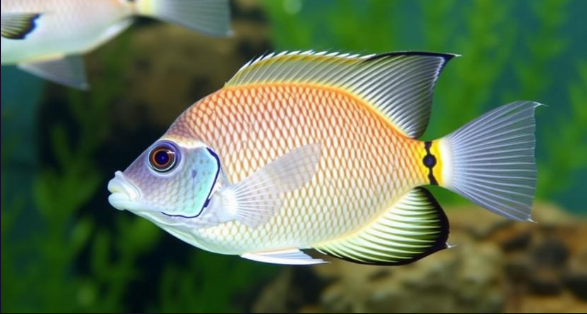
Angelfish Varieties
Angelfish are among the most stunning fish you can add to an aquarium. If you go to a saltwater shop in California or a freshwater store in Texas, you’ll spot a variety that catches your eye. But not all angelfish are the same.
Some grow over a foot long. Others stay small and reef-friendly. Some are hardy for beginners, while others demand expert-level care.
In this guide, I’ll cover popular angelfish varieties. I’ll explain their care needs and share practical tips from real aquarium experience.
What Are Angelfish? Marine vs Freshwater Explained
The first mistake many beginners make is assuming all angelfish are similar. They are not.
There are two completely different groups:
Saltwater angelfish (Marine)
- Found in coral reefs
- Often brightly colored
- Require stable marine systems
- Usually more expensive
Freshwater angelfish
- Native to South America
- Popular in community tanks
- Easier for beginners
- More affordable
If you’re setting up your first aquarium in the U.S., freshwater angelfish are usually the better starting point.
Popular Saltwater Angelfish Varieties
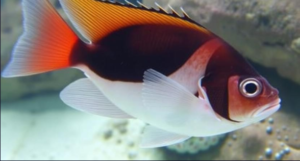
Saltwater angelfish are breathtaking—but they require commitment.
Majestic Angelfish
The Majestic angelfish (also known as the Navarchus angelfish) is famous for its deep blue body and yellow chest markings.
What I’ve learned from marine keepers:
- Juveniles look completely different from adults
- They need at least 125 gallons
- Semi-aggressive temperament
They’re not ideal for beginners. Stable salinity and strong filtration are essential.
Coral Beauty Angelfish
The Coral Beauty angelfish is one of the most popular dwarf angelfish in U.S. reef tanks.
Why hobbyists love them:
- Stay small (around 4 inches)
- Hardy compared to larger angels
- Vibrant purple and orange coloring
However, they may nip corals. In my experience visiting reef setups, success depends on:
- Adequate feeding
- Plenty of rockwork
- Tank stability
Blueface Angelfish
The Blueface angelfish is striking and bold.
Important facts:
- Can reach 14 inches
- Requires large tanks (180+ gallons recommended)
- Semi-aggressive
They are stunning centerpiece fish, but only for experienced marine aquarists.
Red Devil Angelfish
The Red Devil angelfish is not a separate species but often a trade name for certain color variations.
Before buying:
- Confirm scientific name
- Check adult size
- Research compatibility
Many U.S. hobbyists buy based on color alone—and regret it later when the fish outgrows the tank.
Freshwater Angelfish Varieties
Freshwater angelfish are far more common in American households.
Blue Angelfish (Freshwater)
Blue angelfish are a selectively bred strain of freshwater angelfish.
Key points:
- Peaceful but territorial during breeding
- Prefer tall tanks (20+ gallons minimum)
- Thrive in 76–82°F water
From personal experience, tall tanks with plants dramatically reduce aggression.
Angelfish Photos and Videos: What to Watch For
When browsing angelfish photos or watching angelfish videos online, don’t just focus on color.
Look for:
- Clear eyes
- No frayed fins
- Active swimming
- Good appetite
Photos can be misleading. Lighting and editing often exaggerate color.
If buying online in the USA:
- Ask for recent photos
- Confirm quarantine procedures
- Check seller reviews
Choosing the Right Angelfish Variety
Before buying, ask yourself:
- How large is my tank?
- Is it freshwater or saltwater?
- How much maintenance can I handle weekly?
Quick Guide
Experience Level Recommended Variety Beginner Freshwater blue angelfish Intermediate Coral Beauty angelfish Advanced Majestic or Blueface angelfish.
Common Angelfish Mistakes
Over the years, I’ve seen the same mistakes repeated:
- Buying juvenile fish without checking the adult size
- Mixing aggressive marine angels in small tanks
- Ignoring water quality testing
- Overfeeding
Angelfish demand stable conditions. Weekly water changes and proper filtration are non-negotiable.
Conclusion: Final Thoughts on Angelfish Varieties
Angelfish are beautiful—but beauty alone isn’t enough reason to buy one.
The best results come when:
- Tank size matches adult size
- Diet matches species needs
- Water quality is maintained consistently
Success in Florida with a reef tank or in Illinois with a freshwater aquarium comes from planning, not impulse buying.
Frequently Asked Questions (FAQ)
What are the most popular angelfish varieties?
Majestic, Coral Beauty, Blueface, Red Devil (trade name), and freshwater blue angelfish are among the most popular.
Are Coral Beauty angelfish reef safe?
They are considered “reef safe with caution.” Some may nip corals.
How big does a Blueface angelfish get?
Blueface angelfish can grow up to 14 inches and require large tanks.
Are freshwater angelfish easier than saltwater angelfish?
Yes. Freshwater angelfish are generally easier and better for beginners.
What size tank do angelfish need?
Freshwater angelfish need at least 20 gallons (tall). Large marine species need 125–180+ gallons.