What Do Angelfish Eat? Complete Feeding Guide for Freshwater, Bicolor & Imperator Angelfish

What do angelfish eat

What Do Angelfish Eat? If you’re keeping angelfish — or planning to buy one — one of the most important questions is: What do angelfish eat? Feeding mistakes are one of the leading causes of poor coloration, weak immune systems, and aggression in aquariums. Caring for freshwater angelfish or marine types like bicolor or imperator … Read more

Types of Freshwater Angelfish: Rare Varieties, Tank Setup, Tank Mates & Buying Guide

Types of Freshwater Angelfish

Types of Freshwater Angelfish Freshwater angelfish are among the most popular and elegant aquarium fish in the hobby. Their tall fins and graceful swimming make them a standout species in many freshwater aquariums. They come in a wide range of colors, adding to their appeal. But not all freshwater angelfish are the same. In this … Read more

Angelfish Food Guide: Best Diet for Midnight, Marble, Passer, King & Pygmy Angelfish

Angelfish Food

Angelfish Food Properly feeding angelfish is key to their bright color, healthy growth, and long-term well-being. Nutrition directly affects the lifespan and disease resistance of your fish. This applies to both freshwater types, like Midnight and Marble angelfish, and marine ones, such as King and Passer angelfish. Aquarium issues often start with improper feeding. This … Read more

Fish Tank Mates Guide: Complete Compatibility Chart for Popular Freshwater Species

Fish Tank Mates

Fish Tank Mates Choosing the right fish tank mates is the difference between a peaceful underwater ecosystem and a glass box of chaos. I’ve seen both. One looks like a serene aquatic documentary. The other looks like a tiny, expensive boxing match. Compatibility isn’t about color matching or what looks cool at the store. It’s … Read more

Saltwater Fish Angelfish: Size, Breeding, Male vs Female Differences & Lemonpeel Care Guide

Saltwater Fish Angelfish

Saltwater Fish Angelfish Saltwater fish, angelfish, are among the most stunning and intelligent marine aquarium species. Their bright colors, unique shapes, and lively personalities make them stand out in reef and marine tanks around the world. In this guide, I’ll cover what you need to know. We’ll look at angelfish size, breeding behavior, and how … Read more

Best Betta Tank Mates: Compatibility Guide with Cichlids, Catfish & Discus

Best Betta Tank Mates

Best Betta Tank Mates Keeping a betta fish is one of the most popular ways Americans get into the aquarium hobby—and for good reason. Bettas are hardy, colorful, and full of personality. But if there’s one question I hear constantly from hobbyists across the U.S., it’s this: “What are the best betta tank mates?” I’ve … Read more

Tank Mates for Goldfish: Compatibility Guide for Community & Aggressive Fish

Tank Mates for Goldfish

Tank Mates for Goldfish Goldfish are among the most popular starter pets in the United States, but they are also one of the most misunderstood aquarium fish. Many people picture goldfish living alone in small bowls. In reality, they are social, active fish that thrive in spacious, well-planned tanks. A common question new keepers ask … Read more

Betta Fish Tank Mates: Safe Companions, Compatibility & Fish to Avoid

Betta Fish Tank Mates
Betta Fish Tank Mates

Betta Fish Tank Mates

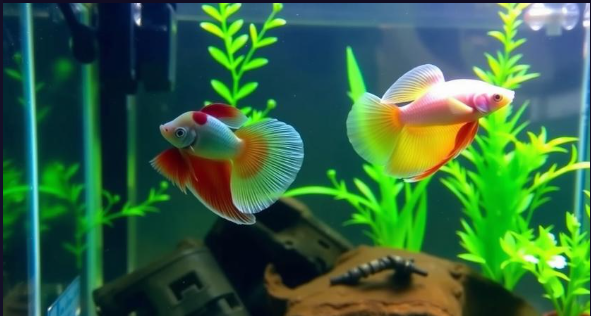
A single betta fish floating alone in a small bowl is a familiar image for many beginners. But experienced aquarists across the USA know bettas don’t always have to live solo. With the right setup and planning, betta fish tank mates can safely share a peaceful community aquarium.

The key is understanding temperament and compatibility. Bettas have a reputation for aggression, but success depends on tank size, layout, and species selection. This guide explains which companions work, which fish to avoid, and how to build a stable community tank that keeps your betta healthy.

Can Betta Fish Live with Tank Mates?

Yes, bettas can live with tank mates if the species are peaceful and the tank is large enough.

Not every betta enjoys company, but many tolerate calm, non-threatening fish. Compatibility depends on:

  • Individual betta personality
  • Tank size and hiding space
  • Behavior and appearance of tank mates

Adding companions should improve the ecosystem, not stress the fish. Bettas don’t feel lonely like humans. They benefit more from enrichment and proper habitat than forced social interaction.

Why Are Bettas Territorial?

In the wild, bettas live in shallow waters like rice paddies in Southeast Asia. Space and resources are limited, so males evolved strong territorial instincts.

Inside an aquarium, that instinct remains. When a betta sees flashy fins or fast movement in its swimming zone, it may flare or chase. This isn’t cruelty — it’s natural survival behavior.

Two males should never share a tank. Female groups require advanced care and large aquariums. In community tanks, both sexes can coexist with peaceful species that don’t resemble rivals.

Best Betta Fish Tank Mates for Community Aquariums

The safest companions are calm fish that either stay near the bottom or swim gently in schools. They shouldn’t nip fins or display long, flowing tails.

Characteristics of Safe Tank Mates

Ideal companions are:

  • Peaceful and non-aggressive
  • Fast enough to avoid conflict
  • Dull or subtle in color
  • Non-territorial
  • Comfortable in warm tropical water

Bottom dwellers work especially well because they occupy a different zone than the betta.

Which Fish Are Proven Compatible with Bettas?

Corydoras Catfish

Corydoras are among the safest options. These bottom-dwelling scavengers rarely interact with bettas. They are peaceful, armored, and social.

Keep them in groups of at least six. Their constant activity on the substrate helps clean leftover food without invading the betta’s space.

Ember and Neon Tetras

Small schooling tetras can coexist in larger tanks. Ember tetras are especially suitable because they are gentle and less prone to fin-nipping.

Neon tetras can work in planted 20-gallon aquariums with plenty of swimming room. Dense plants help reduce stress and chasing.

Harlequin Rasboras

Harlequin rasboras naturally share habitats with bettas in the wild. Their calm swimming style and mid-water position reduce territorial tension.

A school of eight to ten creates a lively but balanced environment.

Snails as Low-Risk Companions

In smaller tanks, snails are the safest choice.

Good options include:

  • Nerite snails (excellent algae eaters)
  • Mystery snails (active and entertaining)

Bettas may flare occasionally, but shells protect the snails, and conflicts rarely escalate.

What Tank Size Is Needed for Betta Fish Tank Mates?

A 20-gallon tank is the safest starting point for a betta community setup.

While a single betta can live in 5 gallons, community tanks need more space for territories and water stability.

General guidelines:

  • 5–10 gallons: betta + snail or shrimp only
  • 15–20 gallons: small school of fish possible
  • 20+ gallons: full peaceful community

Larger water volume reduces stress and improves water quality.
Which Fish Should Never Live with Betta Fish?

Read more

Saltwater Angelfish Guide: Types, Colors, Size & Care Essentials

Saltwater Angelfish

Saltwater Angelfish If you’ve ever paused at an aquarium store, drawn to a fish that seems hand-painted with neon colors, you were likely seeing a saltwater angelfish. These creatures are the undisputed royalty of the marine aquarium hobby. With their bold personalities and vibrant patterns, they are often the centerpiece of a tank. However, keeping … Read more