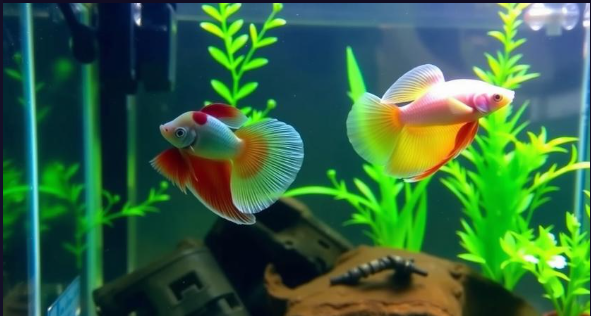
Best Betta Tank Mates
Keeping a betta fish is one of the most popular ways Americans get into the aquarium hobby—and for good reason. Bettas are hardy, colorful, and full of personality. But if there’s one question I hear constantly from hobbyists across the U.S., it’s this: “What are the best betta tank mates?”
I’ve kept bettas in solo tanks, planted community tanks, and (yes) a few setups that failed because I trusted the wrong advice early on. The truth is simple but often misunderstood: bettas can live with tank mates—but only the right ones, under the right conditions.
This guide walks you through each step clearly. It shares real experiences, proven aquarium practices, and honest tips. This way, you can dodge stress, injuries, and expensive errors.
Understanding Betta Fish Behavior (Why Compatibility Matters)
Before choosing tank mates, you need to understand how bettas think and behave.
Bettas are:
Territorial, especially males
Slow swimmers with long, delicate fins
Highly aware of movement and color
In the wild, bettas live in shallow waters where they defend small territories. That instinct doesn’t disappear in a home aquarium.
My real-world lesson
In my first community tank, I added a betta after already keeping semi-aggressive fish. Within days, the betta stopped eating and hid constantly. The tank looked peaceful—but it wasn’t. Stress is often invisible until it’s too late.
Compatibility is about behavior, not tank size alone.
What Makes the Best Betta Tank Mates?
The best betta tank mates share a few key traits:
Peaceful temperament
Short fins (to avoid fin-nipping)
Different swimming levels than bettas
Similar water temperature (76–82°F)
If a fish is fast, territorial, or aggressive during feeding—it’s usually a poor match.
Best Betta Tank Mates That Actually Work
These species consistently work well when tank size and setup are appropriate (10–20 gallons minimum).
Proven Safe Betta Tank Mates
Corydoras catfish
Ember tetras
Harlequin rasboras
Mystery snails
Nerite snails
These fish tend to ignore bettas completely, which is exactly what you want.
German Blue Ram Tank Mates: Can They Live with Bettas?
At first glance, German blue rams seem like a good fit. They’re peaceful, colorful, and popular in planted tanks. However, German blue ram tank mates require careful consideration.
Why this pairing is risky
Rams prefer warmer water (82–86°F)
They become territorial when breeding
They are sensitive to stress
Some experienced aquarists can pair these fish in large, well-kept tanks. However, it’s not easy for beginners. In most U.S. home aquariums, this mix creates temperature and territory conflicts.
Verdict: Possible, but not recommended for most setups.
Pictus Catfish Tank Mates: Too Active for Bettas
Pictus catfish are often misunderstood. They’re sleek, attractive, and sold as community fish—but they are extremely active.
Why pictus catfish tank mates fail with bettas
Fast swimmers that dominate feeding time
Grow larger than expected
Thrive in groups, increasing chaos
In one of my tanks, a pictus catfish never attacked the betta—but the constant motion caused the betta to retreat and stop exploring.
Verdict: Not a good betta tank mate.
Red Tail Shark Tank Mates: Territorial Conflict Zone
Red tail sharks are popular in pet stores across the U.S., but they’re often sold without proper warnings.
Why red tail shark tank mates don’t mix with bettas
Strongly territorial bottom dwellers
Aggressive as they mature
Known to chase slow-moving fish
Even in tanks over 50 gallons, red tail sharks often harass bettas relentlessly.
Verdict: Avoid pairing with bettas.
Blood Parrot Cichlid Tank Mates: Looks Can Be Deceiving
Blood parrot cichlids may look awkward and even cute—but they are still cichlids.
Problems with blood parrot cichlid tank mates
Large, powerful bodies
Sudden aggression during feeding
Can easily injure a betta
I’ve seen bettas survive short-term in these tanks, but long-term success is rare.
Verdict: Unsafe for bettas.
Convict Cichlid Tank Mates: A Hard No
Convict cichlids are among the most aggressive freshwater fish commonly sold.
Why convict cichlid tank mates are dangerous
Extremely territorial
Aggressive even toward larger fish
Highly defensive during breeding
There is no scenario where a betta should share a tank with a convict cichlid.
Verdict: Never compatible.
Tank Setup Tips for Betta Community Tanks (Critical for Success)
Even the best betta tank mates will fail in a poor setup.
Essential setup rules
Tank size: Minimum 10 gallons (20 gallons is ideal)
Plants: Live plants reduce aggression by breaking sight lines
Filtration: Gentle flow—bettas hate strong currents
Order: Add the betta last
In many U.S. households, space is limited. If you can’t meet these conditions, a solo betta tank is often the healthiest choice.
Signs Your Betta Is Not Happy with Tank Mates
Watch for:
Clamped fins
Refusing food
Constant hiding
Chasing or flaring nonstop
If you see these signs, separate the fish immediately. Waiting “to see if it improves” often makes things worse.
Final Thoughts on Choosing the Best Betta Tank Mates
The best betta tank mates are calm, predictable, and non-competitive. While many fish are labeled “community-friendly,” that doesn’t mean they’re betta-friendly.
When in doubt:
Choose fewer tank mates
Prioritize behavior over appearance
Keep a backup tank ready
Sometimes, the best decision is letting your betta shine on its own.
✅ Key Takeaway
Choosing the best tank mates for your betta isn’t just about adding more fish. It’s about making a calm space where your betta can thrive. With the right companions and setup, bettas can live long, healthy, and surprisingly interactive lives.
❓ FAQ: Best Betta Tank Mates (Snippet-Friendly)
What are the best betta tank mates?
Peaceful fish like Corydoras catfish, small rasboras, ember tetras, and snails are the safest choices.
Can bettas live with German blue rams?
It’s possible but risky. German blue rams need warmer water and can become territorial.
Are pectus catfish good betta tank mates?
No. Pectus catfish are too fast and competitive for bettas.
Can bettas live with red tail sharks?
No. Red tail sharks are territorial and often harass bettas.
Why can’t bettas live with cichlids like convicts or blood parrots?
Cichlids are aggressive, territorial, and can easily injure or kill a betta.